




Injuries caused by non-surgical cosmetic procedures
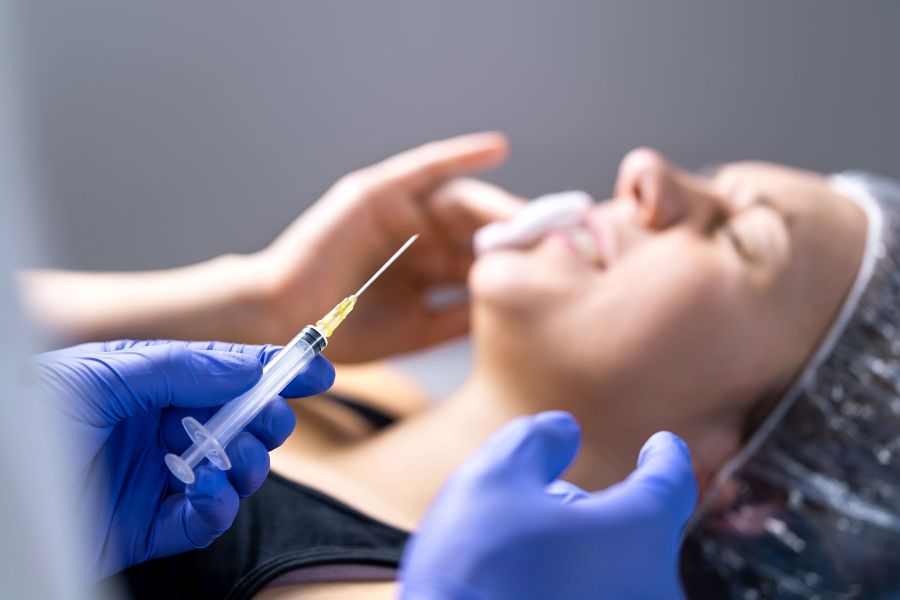
Non-surgical cosmetic procedures are growing in popularity. Treatments like dermal fillers, Botox injections, microneedling, chemical peels, and laser treatments are widely available across Scotland, often from independent salons and clinics operating with very little formal oversight.
And when these treatments go wrong, the consequences can be incredibly serious. Injuries range from infections and scarring to nerve damage and long-term disfigurement, and more.
If you’ve been harmed following a non-surgical cosmetic procedure, you may have grounds to make a personal injury claim.
What counts as a non-surgical cosmetic procedure?
Non-surgical cosmetic procedures are generally carried out for aesthetic purposes. They include any treatment that pierces or penetrates the skin barrier by means of a needle, chemical, heat or cold, light, sound, or electricity.
Common examples of non-surgical cosmetic procedures include:
- Dermal fillers and lip enhancements
- Botox and other injectable treatments
- Microneedling
- Chemical peels
- Laser skin resurfacing and laser hair removal
- Thread lifts
- Eyebrow and eyelash tints
- Nail treatments
- Teeth whitening
- Microblading.
All of the above are widely available, but it doesn’t mean they’re always safe, even when carried out by a trained and experienced practitioner. Unfortunately, many are performed by someone who lacks the right qualifications, uses substandard products, or fails to follow appropriate safety procedures, which increases the risks involved.
Why injuries happen
Until recently, non-surgical cosmetic procedures in Scotland sat in a regulatory grey area, with relatively limited and fragmented regulation, particularly outside regulated healthcare professions.
Unlike medical professionals, beauty therapists and independent aesthetic practitioners didn’t need qualifications to perform many treatments. So, essentially, almost anyone could legally offer injectable treatments or skin procedures.
This has contributed to a rise in reported injuries and complications. Common causes of harm include:
- Incorrect placement of filler or Botox
- Over-application of injectables
- Use of unsuitable or contaminated products
- Inadequate aftercare
- Failure to identify contraindications before treatment begins.
Injuries can vary in severity and include:
- Drooping eyelids
- Asymmetry of the face
- Lumps or granulomas
- Allergic reactions
- Skin burns
- Scarring
- Bruising and blistering
- Fungal infections
- Lacerations
- Hair loss or damage (if applicable to the procedure)
- Infection.
In serious cases, vascular occlusion can also occur. This is when filler is injected into or near a blood vessel, causing tissue damage. Some procedures, such as eyebrow tattooing or microblading, also carry risks of scarring, colour changes, or allergic reactions to the pigments used.
Scotland's new regulatory framework
In March 2026, the Scottish Parliament passed the Non-surgical Procedures and Functions of Medical Reviewers (Scotland) Bill. It received Royal Assent, becoming an Act, on 12th May 2026. It is expected to come into force in September 2027.
The legislation requires certain procedures to be carried out on premises that meet defined standards. Procedures must be performed by, or alongside, certain healthcare professionals in a registered setting. It also introduces a complete ban on many non-surgical procedures for anyone under the age of 18.
While these reforms represent a significant step forward, they apply to procedures carried out after the legislation comes into force. So, if you have already suffered harm, the question of whether you can make a claim depends on the circumstances of your treatment and the actions of the practitioner involved.
Making a personal injury claim for non-surgical cosmetic procedures
To secure financial compensation after a damaging procedure, you must establish three core elements:
- The practitioner owed you a duty of care
- They breached that duty
- Their mistake directly caused your injury.
In Scotland, the legal test for proving a "breach of duty" changes depending on who treated you.
If a medical professional treated you
If a registered medical practitioner performed your procedure, Scottish courts judge them against a professional standard known as the Hunter v Hanley test for medical negligence.
To win your personal injury claim in this scenario, you must prove:
- There is an accepted, normal practice for carrying out the treatment.
- The practitioner failed to follow the accepted practice.
- No professional of ordinary skill would have done the same if they were acting with reasonable care.
If an unregulated practitioner treated you
If you went to a beauty therapist or an aesthetician without medical qualifications, the court looks at what a reasonably competent person providing that service should have done.
Evidence that a practitioner ignored basic hygiene or manufacturer safety guidelines may support a negligence claim. Practitioners must also obtain your informed consent before treatment, clearly explain material risks, and offer reasonable alternatives. Failing to warn you of risks can form the basis of your claim.
However, the lack of formal industry standards means gathering strong evidence is important. Also, under the Prescription and Limitation (Scotland) Act 1973, you have a three-year time limit to make a legal claim. This starts on the day of the procedure or the date you first became aware of the injury.
And because building these cases requires securing expert medical opinions, you should seek legal advice as quickly as possible.
How we can help
At Allan McDougall Solicitors, our personal injury team advises clients across Scotland on claims arising from negligent cosmetic procedures. We can assess your claim, explain your options, and guide you through the process from start to finish.
We also pride ourselves on a client-first approach, explaining everything clearly and keeping you informed at all times. Our team operates with no-win, no-fee funding for injuries caused by non-surgical cosmetic procedures, too, so you only pay if your claim is successful.
If you’ve suffered harm following a non-surgical cosmetic procedure and want to understand your legal position, contact our personal injury team for confidential advice.
Contact us
- Email us
- Call our personal injury claims team free on 0808 560 0872
- Arrange a callback by using our enquiry form
Share this page
Allan McDougall
With you every step of the way.
- Personal injury claims
- Our personal injury team
- How to make a personal injury compensation claim
- How to choose a personal injury solicitor
- Claim now
- Personal injury claim calculator
- How claims are valued
- Frequently asked questions
- Types of personal injury claim
- How to sue someone in the Scottish courts
- Recent successes
- Case studies
- Testimonials
- Injury Compensation Alliance
Personal Injury Claim Calculator
What our clients say
- I was extremely impressed with the diligence and perseverance shown by Steven Blacklaws, Jackie Raitt and the team whilst dealing with my claim. They were able to secure an excellent outcome for me. I would have no hesitation in recommending their services or engaging them again.
J.C. - The service I received was excellent, Gordon Milligan and Julie Harris were very helpful and informative and if I didn’t understand something they very kindly talked me through everything with no issues. They are both kind and caring and everything you want in a solicitor. From my first meeting with Gordon I knew I was in good hands and both he and Julie made me feel very comfortable with all aspects of my claim and I am very grateful for this. I would highly recommend both of them to deal with anyone’s case. Thank you very much for the care, attention, excellent service and solicitors I was provided and for helping me win my case.
A.B. - Many thanks to Alex Robertson and all those involved for their hard work.
C.D. - Gordon Milligan was very professional at all times and throughout the whole process. Can't fault the company. With nothing but praise, will be passing on your details to other people.
J.K.
Call free: 0808 560 0872