





Gym accidents
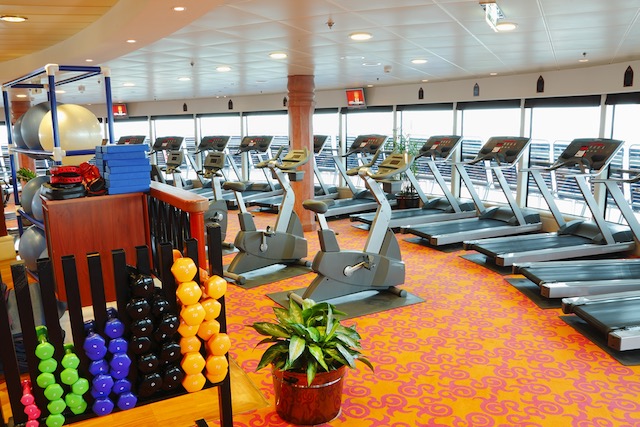
Gyms and leisure centres should be safe places to exercise, train, and improve your fitness. And while most are, safety standards may be ignored, equipment can be faulty, and supervision can be inadequate. As a result, serious injuries can happen.
However, if you’ve been hurt in a gym accident that wasn’t your fault, you may be able to claim compensation under Scottish law.
At Allan McDougall Solicitors, our personal injury team helps people across Scotland pursue fair compensation for gym-related accidents. We offer no-win, no-fee funding options, and work to ease the stress, financial impact, and uncertainty that follows an unexpected injury whilst exercising in the gym.
When can you make a gym accident claim?
Gyms, personal trainers, and leisure centres owe a duty of care to their members and visitors. This means that they must take reasonable steps to keep the environment safe, provide suitable equipment, and ensure all of their staff are properly trained.
You may be able to claim if your injury was caused by negligence, unsafe conditions, or equipment that wasn’t properly maintained. Common causes of gym accident claims include:
- Defective or poorly maintained equipment, such as treadmills, weight machines, or free weights
- Slips and falls due to wet flooring or poorly marked hazards
- Inadequate supervision during classes or personal training sessions
- Incorrect instruction from fitness staff
- Falling objects, such as unsecured weights or equipment
- Unsafe changing rooms, showers, or poolside areas
- Overcrowded gyms where safety procedures are ignored.
Accidents can happen due to physical exercise through no fault of anybody. However, if a gym, trainer, or organisation has failed to take reasonable care to prevent foreseeable harm, compensation may be available.
Who can be held responsible for gym accident claims?
Different parties can be liable depending on how the injury occurred, such as:
- The company or owner operating the gym
- A personal trainer providing negligent instructions
- Contractors responsible for maintenance or repairs
- Manufacturers of faulty equipment
- Leisure centre operators or management companies.
For the most part, compensation is paid by insurers rather than individuals. Claims are usually made under health and safety duties or, in the case of public gyms, under the Occupiers’ Liability (Scotland) Act 1960.
What can you claim for?
Gym accident compensation aims to reflect the full impact of your injury, not just the immediate pain. This includes the practical and financial consequences that follow.
Potential damages may be paid out for:
- Pain and suffering
- Loss of earnings if you’ve been unable to work
- Future loss of income, if your injury affects your career or employment
- Medical treatment such as physiotherapy, surgery, or private rehabilitation
- Travel costs for medical appointments
- Support from family or carers during recovery
- Adaptations or specialist equipment if mobility has been affected.
The value of a claim will depend on the severity of the injury and how long your recovery takes. Scottish courts typically use the Judicial College Guidelines to assess pain and suffering and apply the personal injury discount rate (PIDR) when calculating future financial losses.
How long do you have to claim?
Under the Prescription and Limitation (Scotland) Act 1973, you generally have three years from the date of the accident, or three years from when you realised your injury was linked to the accident, to make a claim. Children and adults without legal capacity may have longer.
Because gyms sometimes deny liability or disputes can arise over how the accident occurred, it’s best to speak to an experienced personal injury solicitor as early as possible. Evidence such as CCTV, training logs, incident reports, and maintenance records can be easier to obtain when the claim is started sooner rather than later.
What to do after a gym accident
If you’ve been injured at a gym, these steps can be taken to enhance your chances of a successful compensation claim:
- Seek medical treatment and keep a record of any appointments
- Report the incident to gym staff and ask for it to be recorded formally
- Take photographs of the equipment or hazard if safe to do so
- Keep the names of any witnesses who saw the accident take place
- Save receipts for medical costs, travel, or lost income
- Get legal advice from a personal injury solicitor.
How we can help
At Allan McDougall Solicitors, we have decades of experience in personal injury law, including claims involving gyms, leisure centres, and private training facilities. Our team handles negotiations directly with insurers, gathers evidence, and works to secure the highest possible compensation for your circumstances.
We also explain the process clearly, keep you informed, and operate with no-win, no-fee funding for gym accident compensation claims, so you only pay if your claim is successful.
Contact our personal injury team
If you’ve suffered a gym injury and believe someone was at fault, contact Allan McDougall Solicitors for advice today. Our solicitors will talk you through your options and help you take the next step with confidence.
Contact us
- Email us
- Call our personal injury claims team free on 0808 560 0872
- Arrange a callback by using our enquiry form
Share this page
Allan McDougall
With you every step of the way.
- Personal injury claims
- Our personal injury team
- How to make a personal injury compensation claim
- How to choose a personal injury solicitor
- Claim now
- Personal injury claim calculator
- How claims are valued
- Frequently asked questions
- Types of personal injury claim
- How to sue someone in the Scottish courts
- Recent successes
- Case studies
- Testimonials
- Injury Compensation Alliance
Personal Injury Claim Calculator
What our clients say
- I have been treated with the utmost courtesy and respect at every juncture by Allan McDougall Solicitors' staff when I was in contact. I would especially like to thank Mr Gordon Milligan for all of the help and support and complete understanding throughout the course of my claim in which he represented me.
J.D. - Seamless process throughout. The team was very steadfast in supporting me. Thanks to Stephen Irvine and the team at Allan McDougall Solicitors.
T.T. - Mr Stephen Irvine was excellent from day one, as were all the staff. Thanks for your help.
H.W. - Thank you for your assistance throughout my personal injury claim. It’s been a top quality service from Stephen Irvine and the firm.
A.H.
Call free: 0808 560 0872